Chronic isolation significantly increases dementia risk: Long-term scientific study results
A new scientific study has shown that only long-term and chronic loneliness substantially increases the risk of cognitive decline in older age, whereas occasional feelings of loneliness do not share such a dangerous link.
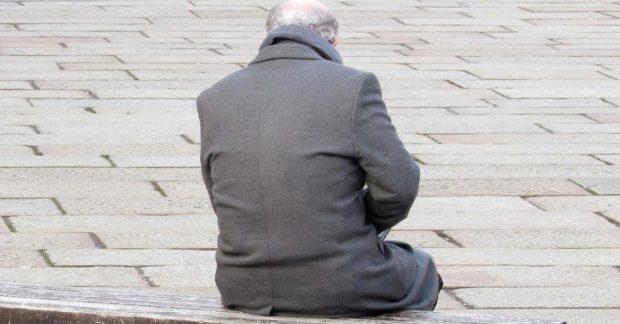 👥Society
Photo: UNIAN
Key points
- Chronic loneliness increases the risk of dementia by nearly 40%.
- Occasional loneliness shows no statistically significant link to dementia.
- About 30% of people with chronic loneliness live with partners or large families.
Modern medicine and social sciences continue to explore how psychological well-being affects human physical health. Researchers recently focused on the connection between social isolation and cognitive health in older adults. As a large-scale analysis spanning two decades demonstrated, not all experiences of isolation carry the same level of threat to the brain.
Prolonged isolation as a risk factor
Researchers analyzed data from nearly 3,700 participants aged 65 and older, dividing them into groups based on how frequently they experienced loneliness. The findings revealed that among individuals who never felt lonely, the dementia incidence rate stood at 33.1%. Meanwhile, among those suffering from chronic loneliness, this figure reached 49.1%.
The study authors emphasize that chronic feelings of loneliness increase the risk of developing dementia by nearly 40% compared to those who never felt lonely. At the same time, occasional or intermittent feelings of loneliness showed no statistically significant association with an increased risk of the disease.
Quality of connection matters most
An intriguing detail is that chronic loneliness can be experienced even by individuals living with partners or in large families. Nearly 30% of participants in this group did not live alone. This indicates that such vulnerability may stem from unsatisfactory relationships, caregiving burdens, or a lack of meaningful daily activities.
Healthcare professionals and social services should not assess social risks solely based on living arrangements. It is crucial to evaluate an individual's personal sense of connection with others and subjective feelings of isolation.
Source UNIAN — unian.ua/health/samotnist-i-demenciya-naukovci-z-yasuvali-koli-rizi… ↗
Read next
 🛡️Security
Changes in Mobilization and TCC Operations: Verkhovna Rada Evaluates Results
Recent orders regarding TCC and medical board operations are yielding practical results, according to parliament. Officials note improved quality among draftees and a dec…
 🇺🇦Ukraine
Missile Strike on Odesa's Historical Center: Casualties Reported
Russian forces launched multiple successive strikes on the historical center of Odesa, resulting in fatalities and injuries among civilians.
 🇺🇦Ukraine
European Commission proposes new 45 billion euro loan for Ukraine for 2027
The European Commission has adopted legislative proposals to provide Ukraine with up to €45 billion in additional financial support for 2027.
 🇺🇦Ukraine
Putin and Xi Jinping Discuss Ukraine and Peace Talks in Shenzhen
Russian leader Vladimir Putin and Chinese President Xi Jinping held over two hours of talks in Shenzhen, focusing on the war in Ukraine and upcoming diplomatic engagement…
 💡Tech
Cambridge Dictionary Chooses Word of the Year Amid Rapid AI Growth
Against the backdrop of advancing artificial intelligence and chatbots, the Cambridge Dictionary has named "human" its word of the year, highlighting the growing distinct…
 🛡️Security
New enemy attacks cause power outages in eight Ukrainian regions
The Ministry of Energy reported new power outages resulting from enemy attacks across eight regions of Ukraine. The country's energy system continues to face systematic s…